
Architectural Kitchen Design: When the Kitchen Becomes the Statement
Updated: Jun 23
Introduction
Architectural kitchens are not designed to blend in — they are designed to define a space. In high-end residential and development projects, the kitchen is no longer a secondary room. It is a structural, visual, and functional anchor within the home.
Yet many kitchens marketed as “luxury” focus on surface-level aesthetics rather than true architectural integration. A statement kitchen must do more than look impressive; it must align with the architecture, flow, and intent of the space it occupies.

The Real Problem: Luxury Without Architecture
Many high-end kitchens fail because they prioritise finishes over structure. Oversized features, excessive materials, and trend-led details often result in kitchens that overpower the space or age quickly.
Architectural kitchen design requires restraint, proportion, and precision. Without these, even the most expensive kitchen risks becoming visually noisy or disconnected from the home’s architecture.

What Defines an Architectural Kitchen Design
Integration With the Architecture
An architectural kitchen is designed as part of the building, not placed into it. Lines, volumes, and materials align with the surrounding architecture, creating a seamless spatial experience.
Precision and Proportion
Every element is considered — from cabinetry dimensions to sightlines and negative space. Precision ensures the kitchen feels intentional rather than decorative.
Innovation Through Function
True innovation lies in how the kitchen performs. Hidden mechanisms, advanced storage systems, and intelligent layouts allow the space to remain visually minimal while delivering high performance.
Materials Used With Purpose
Materials are selected for their structural and visual impact, not trend appeal. The focus is on surfaces and finishes that complement the architecture and maintain integrity over time.
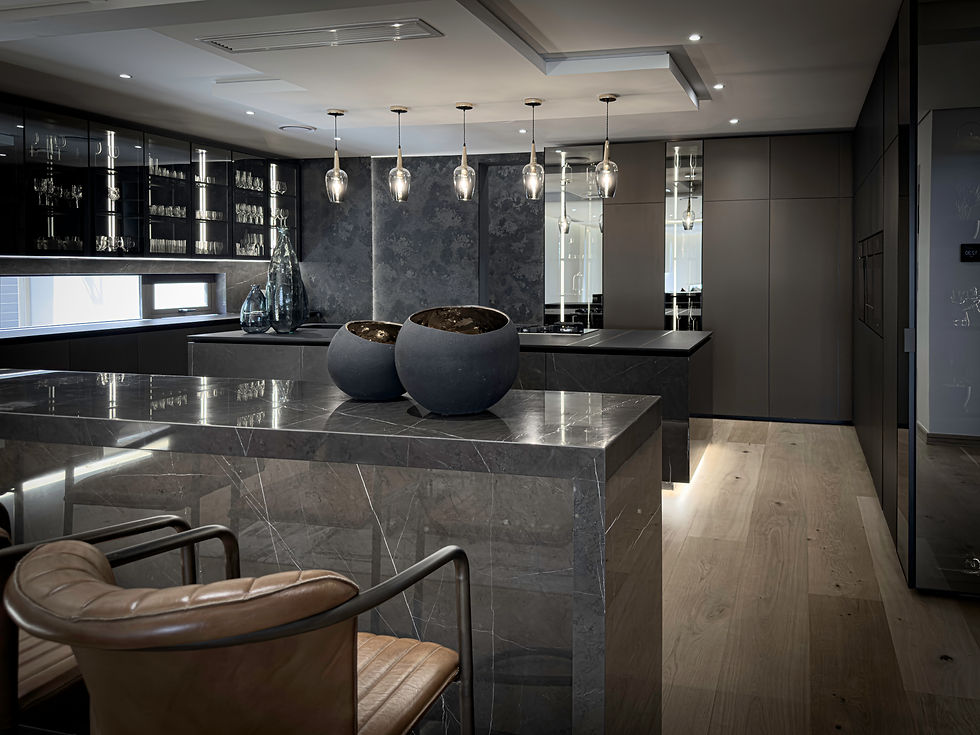
How blu_line Approaches Architectural Kitchens
blu_line kitchens are conceived as architectural elements rather than standalone interiors. Each project is approached with a clear design intent, aligning the kitchen with the spatial language of the home.
The emphasis is on innovation, precision engineering, and refined minimalism. Every detail is deliberate, ensuring the kitchen functions as both a statement piece and a highly efficient workspace without visual excess.
Who This Level of Kitchen Design Is For (And Who It Isn’t)
This approach is designed for:
High-end residential projects
Architects and developers seeking statement kitchens
Homeowners who value design integrity and innovation
It is not intended for entry-level renovations or trend-driven kitchen updates.

Final Takeaway
An architectural kitchen is defined by clarity, proportion, and intent. When design decisions are guided by architecture rather than trends, the kitchen becomes a defining feature of the home — both visually and functionally.
Choosing the right design partner ensures the kitchen enhances the space rather than competes with it.
Explore blu_line kitchens or book a consultation to discuss architectural kitchen solutions.


